Bobai County, located in southeastern Guangxi, China, is a place where traditional weaving craftsmanship has been passed down for more than a thousand years.
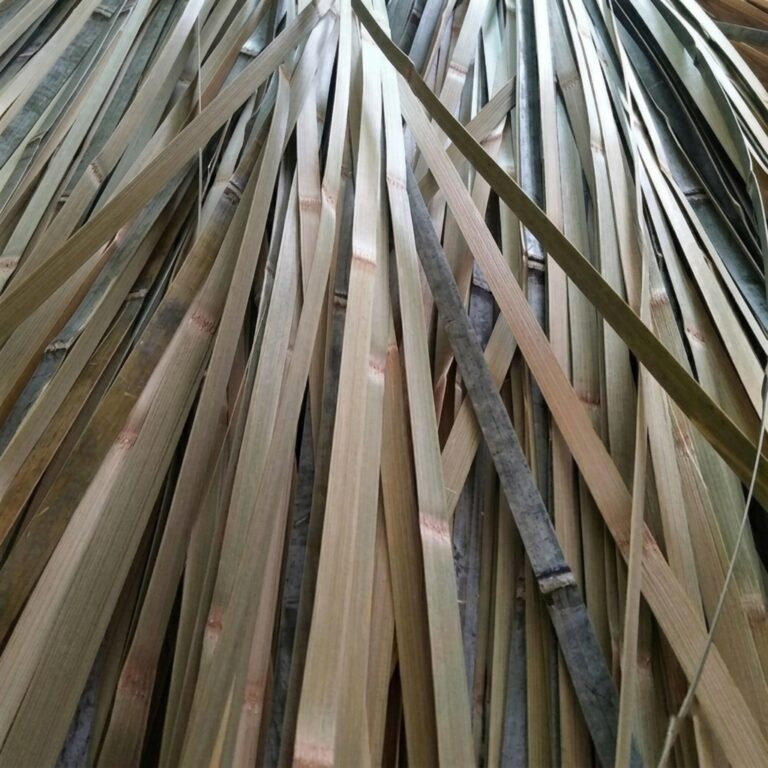
Officially recognized as the “Hometown of Chinese Woven Crafts,” Bobai has a long-standing weaving tradition that can be traced back to the Song Dynasty (960–1279 AD). During that time, local villagers began weaving baskets and everyday household items from natural materials such as grass, bamboo, and rattan, using them to store grain and carry everyday goods.
The history of Bobai’s weaving tradition is as rich and intricate as the patterns created by its artisans. Historical records from the Qing Dynasty vividly described the craftsmanship of local weavers: “Men and women alike were skilled at weaving; bamboo strips as fine as hair were woven into intricate patterns of flowers, birds, insects, and fish.”
Today, this centuries-old craftsmanship continues to evolve, blending traditional skills with contemporary design and modern living.
In the 1970s, woven crafts from Bobai began making their way into international markets. What started as small-scale exports has grown into a remarkable global success story.
Today, a woven product crafted in one of Bobai’s villages may find its way to a boutique in Paris, a home in New York, or a café in Tokyo.
Over the decades, the industry has grown into a major manufacturing and export sector. More than 200,000 people are now engaged in the woven craft industry, which generates over US$600 million in annual output and exports to more than 60 countries and regions worldwide.
Bobai-made woven products are now supplied to a growing number of international brands. In recognition of the region’s achievements in the industry, Bobai was designated a National Demonstration Zone for Quality and Safety of Exported Bamboo, Wood and Grass Products in 2017, and a National Base for the Transformation and Upgrading of Foreign Trade in Bamboo, Wood and Grass Products in 2019.
The traditional craft of weaving has evolved far beyond simple basket making.
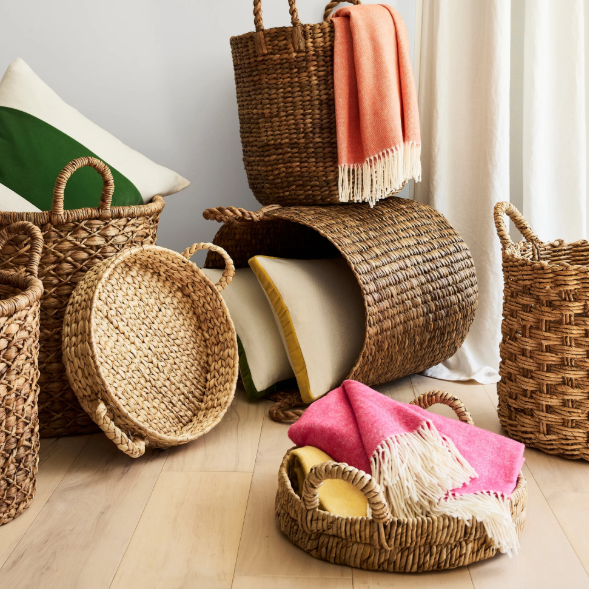
Today, artisans in Bobai have developed more than 50,000 product designs across 10 major categories — ranging from Scandinavian-inspired lampshades and French-style picnic baskets to elegant tea trays and decorative wall pieces.
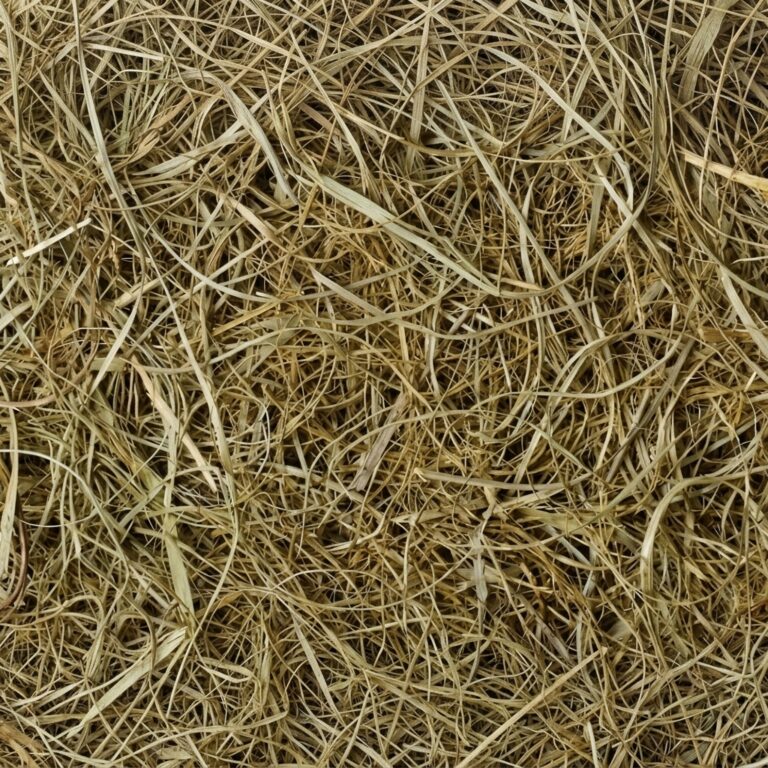
The choice of materials has also expanded significantly. In addition to traditional materials such as bamboo, rattan, and miscanthus grass, local artisans now work with more than 20 types of natural resources, including corn husk, banana leaves, and even water hyacinth — an invasive plant species that has been skillfully transformed into beautiful and sustainable home products.
To overcome the natural limitations of traditional materials, such as moisture sensitivity and limited durability, the industry has also developed high-quality PE rattan alternatives. These materials offer excellent resistance to water, UV exposure, mold, and insects, while providing greater durability and recyclability.
With the introduction of PE rattan, woven products can now be used in a much wider range of applications, giving customers around the world more choices in design, functionality, and lifestyle solutions.
In the past, Bobai was best known for its functional baskets and storage products. Today, its woven craftsmanship has evolved far beyond traditional utility items, with product designs ranging from Scandinavian-style lampshades and French-inspired picnic baskets to Japanese tea trays and even imaginative cactus-shaped decorative pieces — bringing natural woven elements into modern interiors around the world.
This transformation reflects a deeper evolution: as Bobai’s handmade woven products reach global markets, local artisans continue to adapt traditional techniques to meet diverse international tastes, lifestyles, and design needs. By blending heritage craftsmanship with contemporary creativity, Bobai’s woven products have found new possibilities in homes across the world.
Walking through the villages of Bobai County, you will encounter a remarkable scene almost everywhere: artisans of all ages — many of them women — sitting together, their hands moving gracefully and rhythmically as they weave bamboo, rattan, and natural fibers into products that combine everyday functionality with timeless beauty.
This traditional craftsmanship has been passed down through generations. It carries centuries of accumulated knowledge and skills, shared from grandmothers to granddaughters, and from experienced masters to the next generation of apprentices.
Today, handcrafted woven products from Bobai have found their way to homes and businesses around the world, reaching markets across Europe, North America, Japan, South Korea, and Southeast Asia.
From balconies in Paris apartments, to the quiet corners of traditional tea rooms in Tokyo, to cozy cafés in New York, Bobai weaving is silently telling a story — a story rooted in the villages of southern China and carried across generations.
A simple rattan vine becomes more than just a natural material. It becomes a bridge between cultures, connecting people through craftsmanship and creativity, and reflecting a shared vision of a better, more beautiful way of living.