“By weaving baskets, I can earn around 2,000 RMB every month.”
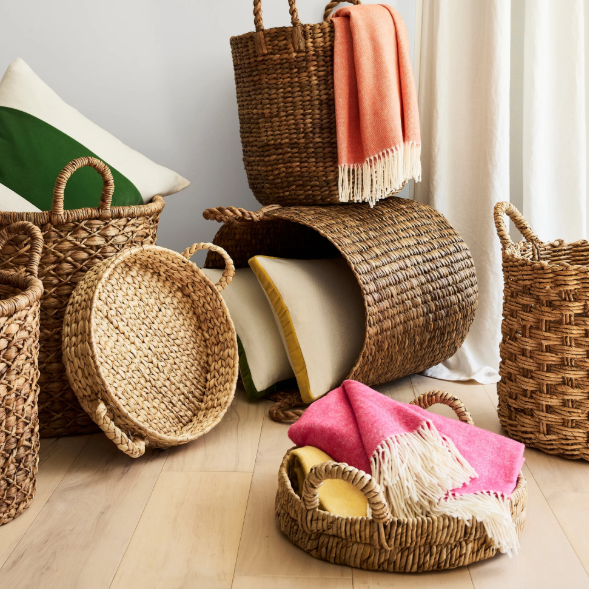
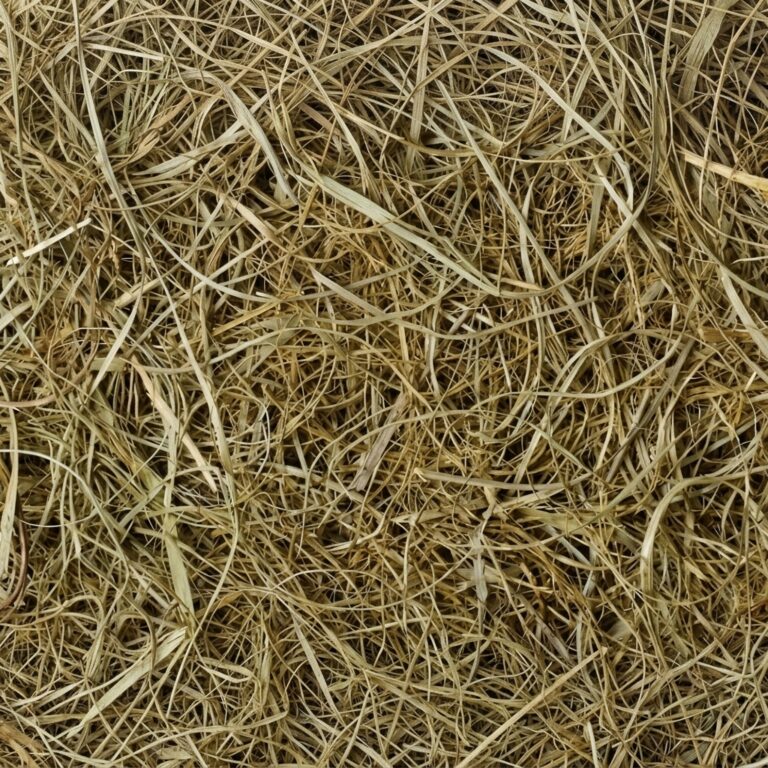
Walking into the workshop of a handicraft company in Bobai County, Yulin City, Guangxi, China, you will find 65-year-old Aunt Zheng skillfully transforming strands of natural grass into beautifully crafted baskets with her nimble hands.
The story of Aunt Zheng represents the journey of countless weaving families in Bobai County.
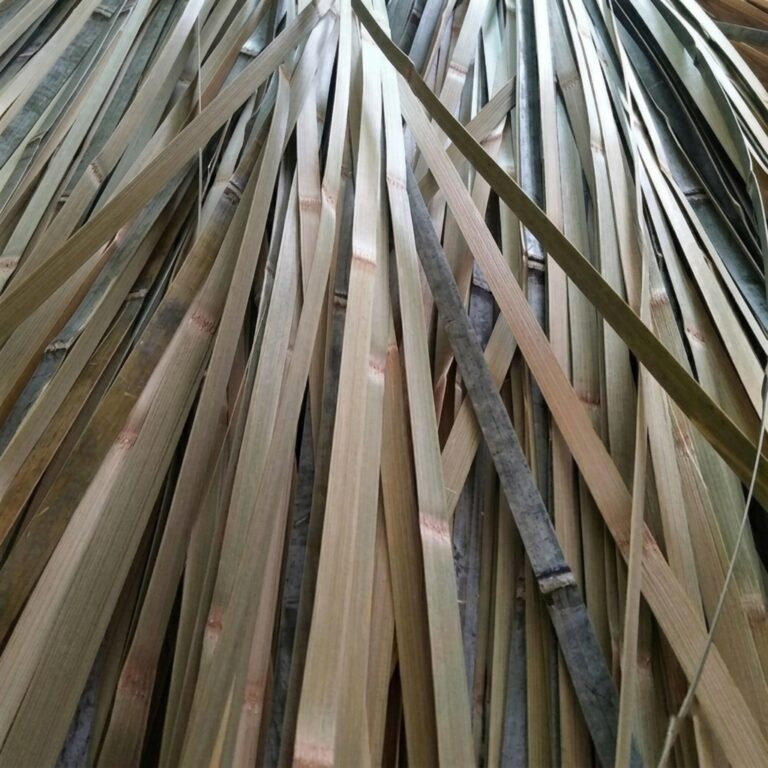
For generations, local artisans have transformed simple natural materials — such as wild grass and bamboo — into beautifully crafted products through their skillful hands and dedication. What began as a traditional craft has evolved into a thriving industry, generating more than RMB 4.2 billion in annual output value while preserving the heritage of Chinese handmade craftsmanship.
With a history of more than a thousand years, Bobai Weaving Craftsmanship represents the deep-rooted handmade traditions of this region. In 2014, it was officially included in the Representative List of Intangible Cultural Heritage of Guangxi Zhuang Autonomous Region.
Beyond being a cultural treasure of Bobai County, this traditional craft has evolved into a thriving local industry, connecting generations of skilled artisans with modern applications in natural woven products and sustainable home living.
According to Mr. Huang, Director of the Bobai County Light Industry Federation, Bobai’s woven products industry generated a total output value of RMB 4.268 billion in 2025, with a year-on-year growth of 5.57%. The industry’s export value reached RMB 1.275 billion, highlighting Bobai’s strong position as an important hub for woven craftsmanship and global supply.
Recently, the “Talented Mothers · Dream Workshop” initiative, launched by the China Women’s Development Foundation, was established in Bobai County, Guangxi, China.
After receiving the official plaque, Ms. Huang shared her vision:
“With craftsmanship in our hands, we can create better opportunities for income growth. Through this workshop, we hope to help more people develop valuable skills, discover new opportunities, and build a more sustainable way to improve their livelihoods.”
The workshop aims to preserve traditional handicraft skills while empowering local communities by providing training, employment opportunities, and new sources of income. Through initiatives like this, traditional weaving craftsmanship continues to be passed down and create meaningful value for families and communities.
At our workshop, Ms. Huang carefully removes the protective wrapping from a cactus-shaped bamboo woven piece and proudly shares, “This is one of the products we brought to the Canton Fair this year.”
Unlike traditional woven products such as baskets and storage bins, our exhibits at this year’s Canton Fair featured unique designs inspired by nature and creativity, including cactus-shaped and elephant-shaped woven artworks.
These distinctive pieces attracted strong interest from overseas buyers, who were impressed by Bobai’s traditional weaving craftsmanship and its ability to combine heritage techniques with modern design.
Through innovative woven creations, Bobai’s artisans continue to bring the beauty of traditional Chinese craftsmanship to global markets, offering customers worldwide more possibilities for natural, handmade, and artistic home décor.
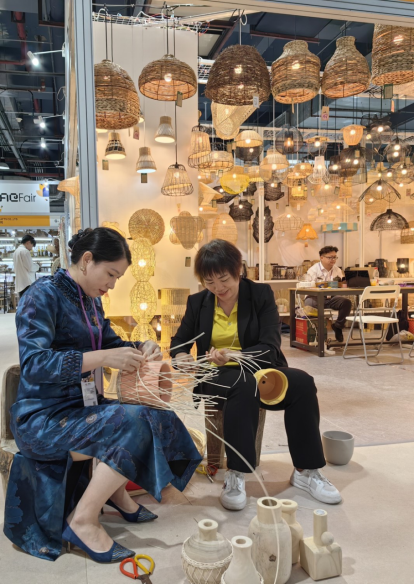
Ms. Huang (left) showcases the traditional hand-weaving technique of flower pot making at the Canton Fair
“What impressed me most at this Canton Fair was witnessing how bamboo and rattan woven products have evolved — from traditional household items once found in family homes into contemporary designs that appeal to younger consumers and modern lifestyles.”
Ms. Huang said, “Today, our products are exported to more than 60 countries and regions, and we are proud to be a trusted supplier for several international brands.”
In recent years, Bobai County has made the development of the woven craftsmanship industry a key initiative to support rural revitalization, strengthen local businesses, and create new opportunities for skilled artisans and farming communities.
To promote the growth and modernization of the industry, Bobai County established the Specialty Light Industry Park in the southern area of the county. The industrial park provides a dedicated platform for woven product manufacturers, helping companies improve production standards, expand capacity, and develop in a more organized and sustainable way.
According to Mr.huang “With more enterprises joining the industrial park and starting production, Bobai’s traditional bamboo and rattan weaving industry is transforming from small-scale, scattered workshops into a modern and integrated industrial ecosystem covering the entire supply chain.”
Today, this growing industry combines generations of craftsmanship with modern manufacturing capabilities, creating a strong foundation for high-quality natural woven products supplied to markets around the world.
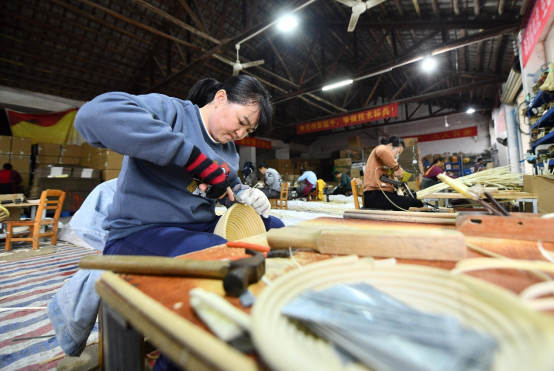
Inside a Manufacturing Workshop in Bobai Industrial Park, Guangxi, China
Bobai County continues to strengthen the development of its rattan and woven craftsmanship industry through supportive policies and industry incentives. Local enterprises benefit from programs that encourage international trade participation, including exhibition support for major events such as the Canton Fair, as well as incentives for achieving international certifications and developing innovative designs and patented technologies.
In Bobai, traditional weaving is more than a craft — it represents generations of cultural heritage and craftsmanship. Through cultural heritage festivals, weaving competitions, and community initiatives, the county continues to preserve and promote this traditional art form while helping more people understand its unique value.By collaborating with universities, designers, and creative institutions, Bobai is also exploring new ways to combine traditional techniques with modern design, driving innovation and creating new possibilities for natural woven products in today’s global market.
“Simple materials such as wild grass、 bamboo and rattan carry a story far beyond their natural beauty. Through skilled hands, they are transformed into meaningful products that connect tradition with modern living. Each piece reflects the wisdom, dedication, and craftsmanship of local artisans, while representing a shared pursuit of a more natural, sustainable, and beautiful lifestyle,” said Director Huang.