Material Overview
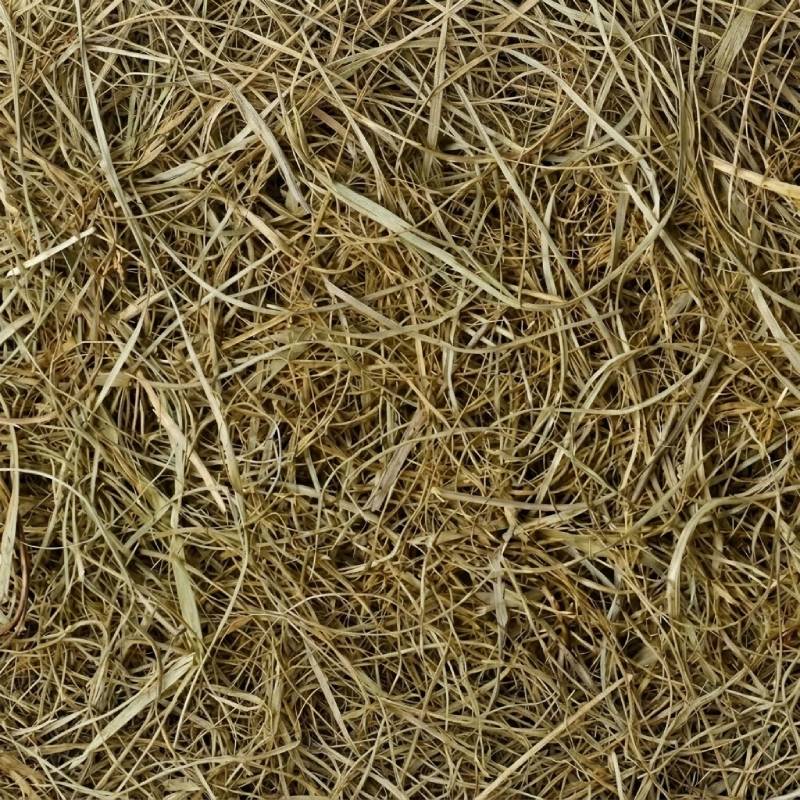
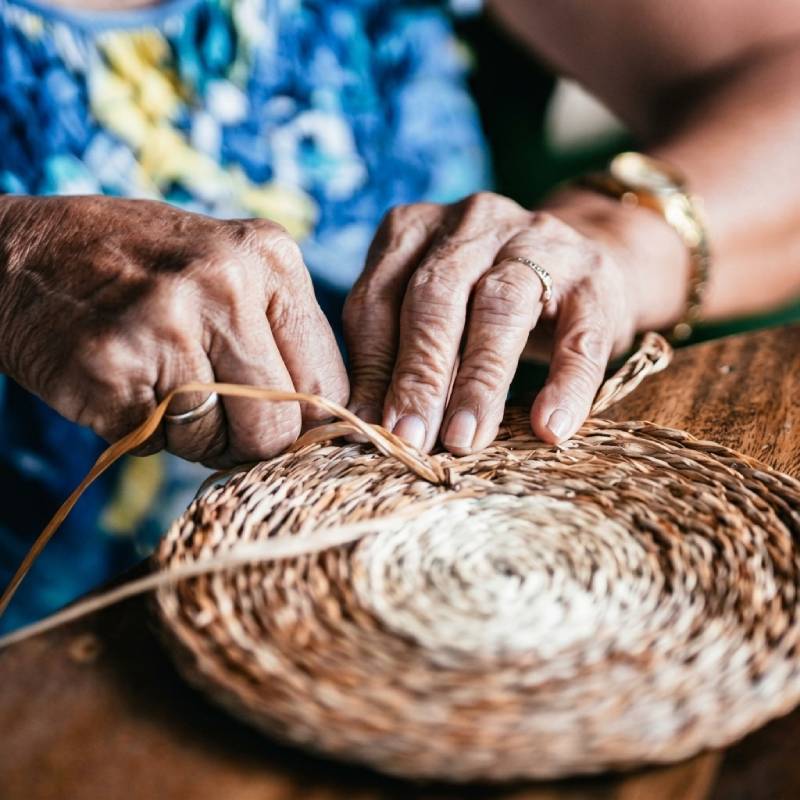
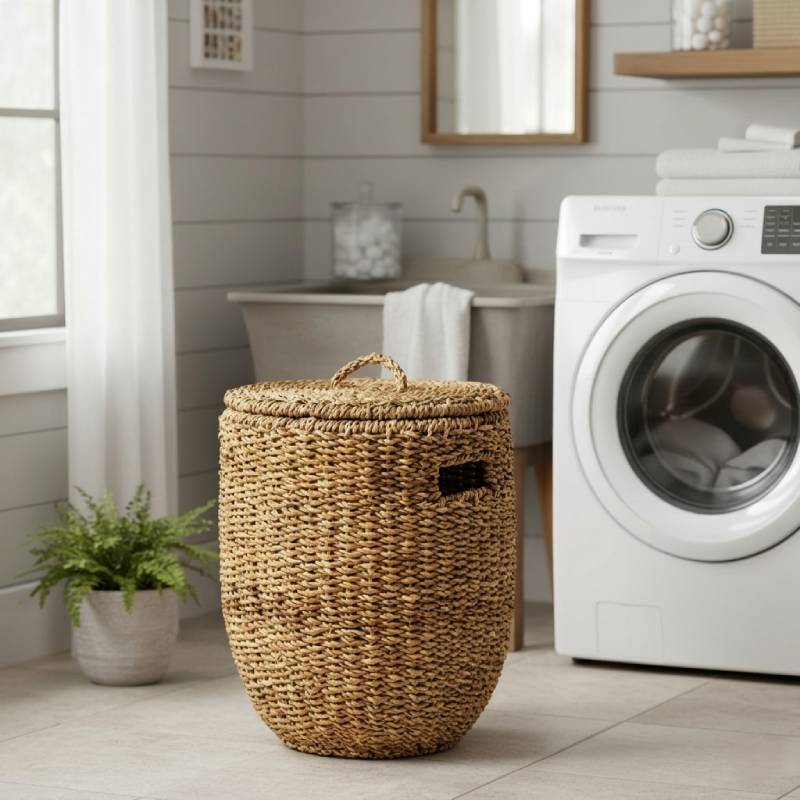
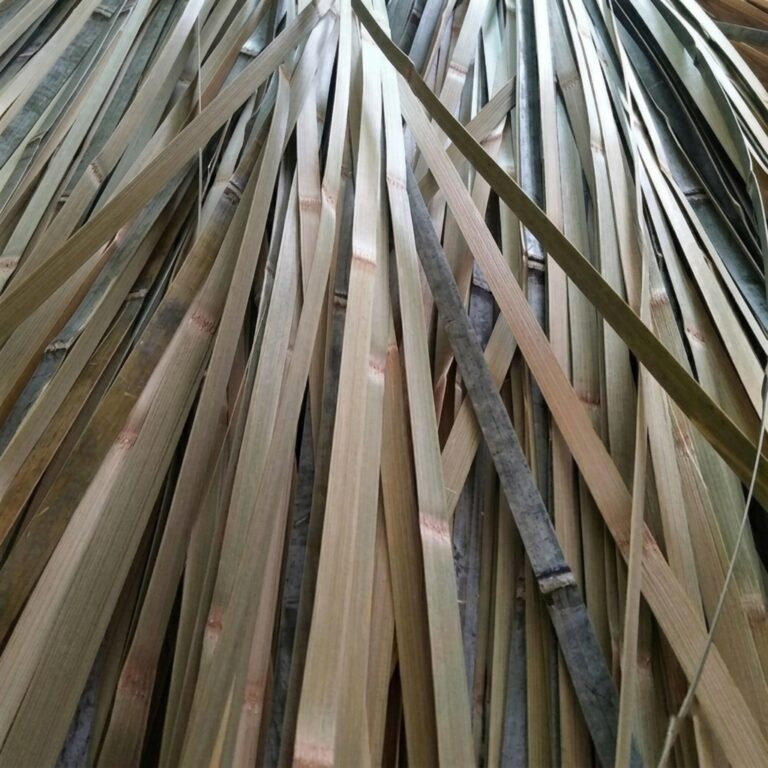
Seagrass is a natural plant-based fiber that is harvested, dried, processed and woven into a wide range of homeware, storage and lifestyle products. Depending on the species and processing method, seagrass can be prepared into different forms for weaving, braiding and other handcrafted applications.
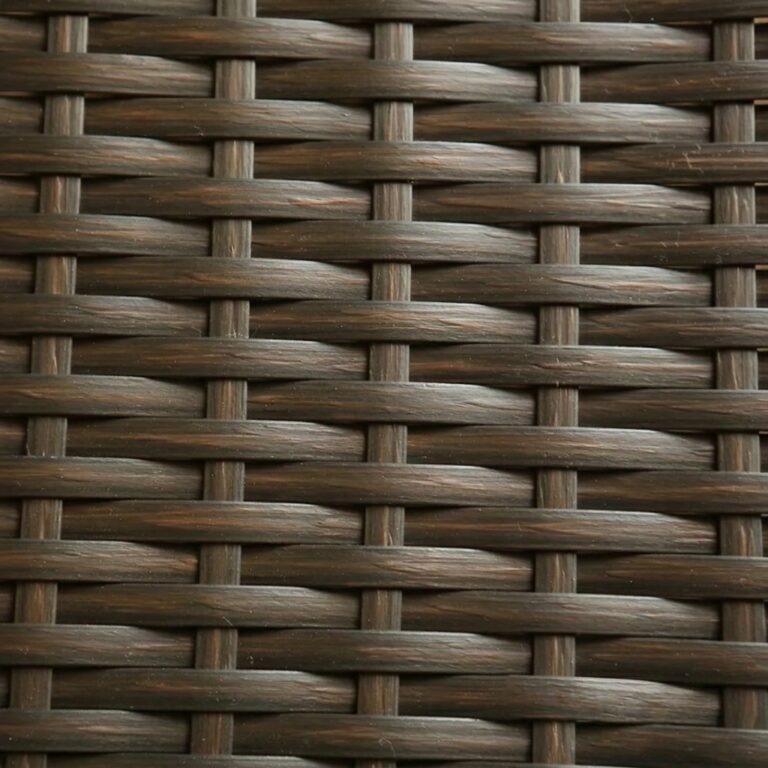
Compared with many coarser natural fibers, high-quality seagrass can offer a relatively fine, dense and consistent fiber structure, together with soft natural tones. When woven, it creates a clean and refined texture that combines the authenticity of natural materials with a contemporary appearance.
One of the key advantages of seagrass is its balance of natural aesthetics, lightweight construction, workability and cost. Compared with natural rattan, which is often selected for strength, structural applications and premium craftsmanship, seagrass is better suited to lightweight woven homeware and storage products. Compared with water hyacinth, seagrass generally offers a finer and more uniform surface texture, depending on the material grade and weaving technique.
This balance makes seagrass a versatile choice for homeware collections where natural appearance, practical functionality and cost efficiency are important.
Material Characteristics
Seagrass is typically harvested, cleaned, dried and processed before being used for weaving. Depending on the product design and manufacturing technique, it can be prepared in different forms, including:
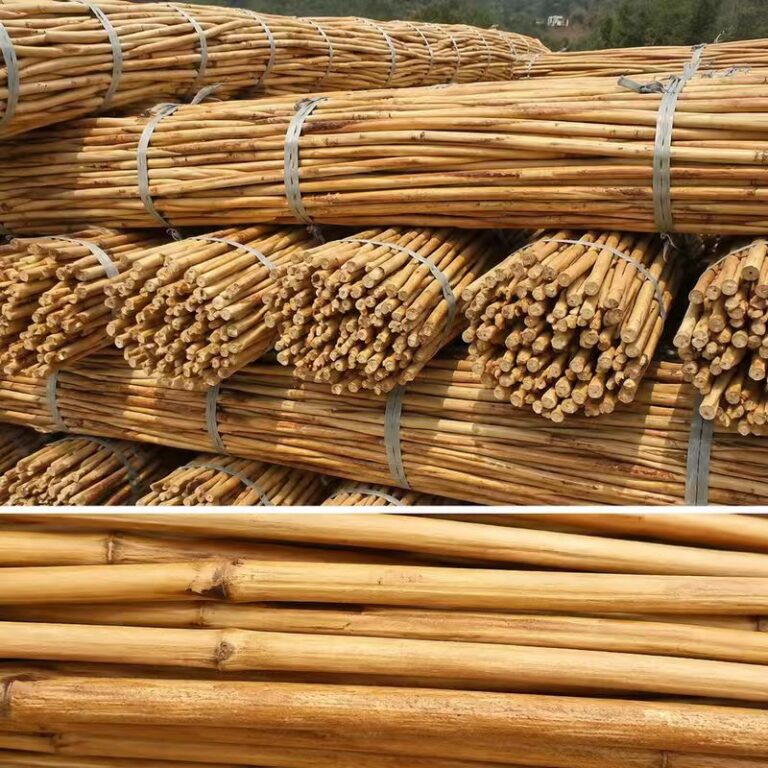
- Dried Seagrass Stems – used as a natural weaving material for baskets and home accessories.
- Seagrass Strips – processed into flatter fibers for more uniform woven surfaces.
- Twisted or Braided Seagrass – used to create stronger structures and distinctive woven patterns.
High-quality seagrass can provide a relatively fine and dense texture compared with some coarser natural fibers. Its natural colors typically range from light beige and straw tones to warm brown shades, with variations depending on the plant, harvesting conditions and processing method.
The final quality and appearance of seagrass products can be affected by factors such as fiber maturity, drying quality, moisture content, fiber thickness, color consistency, material grading and weaving technique.
1. Fine Natural Texture with a Modern Look
Key Advantages
Seagrass has a relatively fine and clean appearance that works well with contemporary natural-material designs. Its subtle texture provides a handcrafted character without appearing overly rustic.
2. Lightweight and Easy to Handle
Seagrass products are generally lightweight, making them convenient for handling, storage, packaging and transportation. This can be particularly useful for baskets, organizers and other large-volume homeware products.
3. Good Balance of Flexibility and Structure
When properly prepared and woven, seagrass can provide a practical balance between flexibility and structural stability. This makes it suitable for a wide range of baskets, storage products and household accessories.
4. Attractive Balance of Quality and Cost
Seagrass can provide a natural and refined appearance at a relatively accessible cost compared with some higher-cost natural materials. This makes it suitable for product collections where both design and cost efficiency are important.
5. Well Suited to Large-Scale Homeware Collections
Its versatility, lightweight character and broad range of weaving applications make seagrass suitable for coordinated collections of storage baskets, laundry products, planters and other home accessories.
Limitations and Considerations
1. Sensitive to Excessive Moisture
Like other natural plant fibers, seagrass requires appropriate moisture control during drying, storage and transportation. Prolonged exposure to high humidity can increase the risk of mold, deformation or changes in appearance.
2. Not Ideal for Prolonged Outdoor Exposure
Untreated seagrass is primarily recommended for indoor or covered applications. Extended exposure to direct sunlight, rain and changing weather conditions may affect its color, structure and service life.
3. Natural Color Variations
Because seagrass is a natural material, variations in color, tone and fiber texture may occur between batches. Appropriate grading and production standards can help maintain greater consistency.
4. Minor Variations in Handwoven Products
Handwoven seagrass products may have small variations in dimensions, shape and weaving density. These variations are a natural characteristic of handmade production and should be considered when establishing product specifications.
Common Applications
Seagrass is widely used for homeware, storage and lifestyle products, including:
- Storage baskets
- Laundry baskets and hampers
- Bathroom storage
- Plant baskets and planters
- Shelf and cabinet organizers
- Magazine baskets
- Toy storage baskets
- Kitchen and dining accessories
- Decorative trays
- Picnic and lifestyle baskets
- Home décor accessories
- Custom woven products
Its fine texture and natural appearance make it particularly suitable for products designed to combine practical storage, understated craftsmanship and contemporary natural aesthetics.
Key Markets
Seagrass products have established demand in markets where natural materials, functional design and understated interiors are highly valued.
Key markets include:
- United States & Canada
- United Kingdom
- Germany, France and the Netherlands
- Scandinavia and other European markets
- Australia & New Zealand
- Japan and other developed Asian markets
Seagrass is particularly compatible with interior styles such as Scandinavian, Farmhouse, Coastal, Rustic and Natural Living, as well as modern homeware collections that emphasize natural materials and simple design.
B2B Sourcing Considerations
For international buyers, consistent seagrass quality depends on appropriate material selection and processing. Key considerations include fiber maturity, dryness, moisture content, fiber thickness, color consistency, material grading, weaving density and finished-product dimensions.
For large-volume orders, establishing clear material and product specifications before production is particularly important. Consistent drying, material grading, production monitoring and quality control can help minimize variations between batches and maintain the desired appearance and structural performance.
Seagrass is therefore a practical option when a product requires natural materials, fine woven texture, lightweight construction, functional stability and balanced cost efficiency.