Material Overview
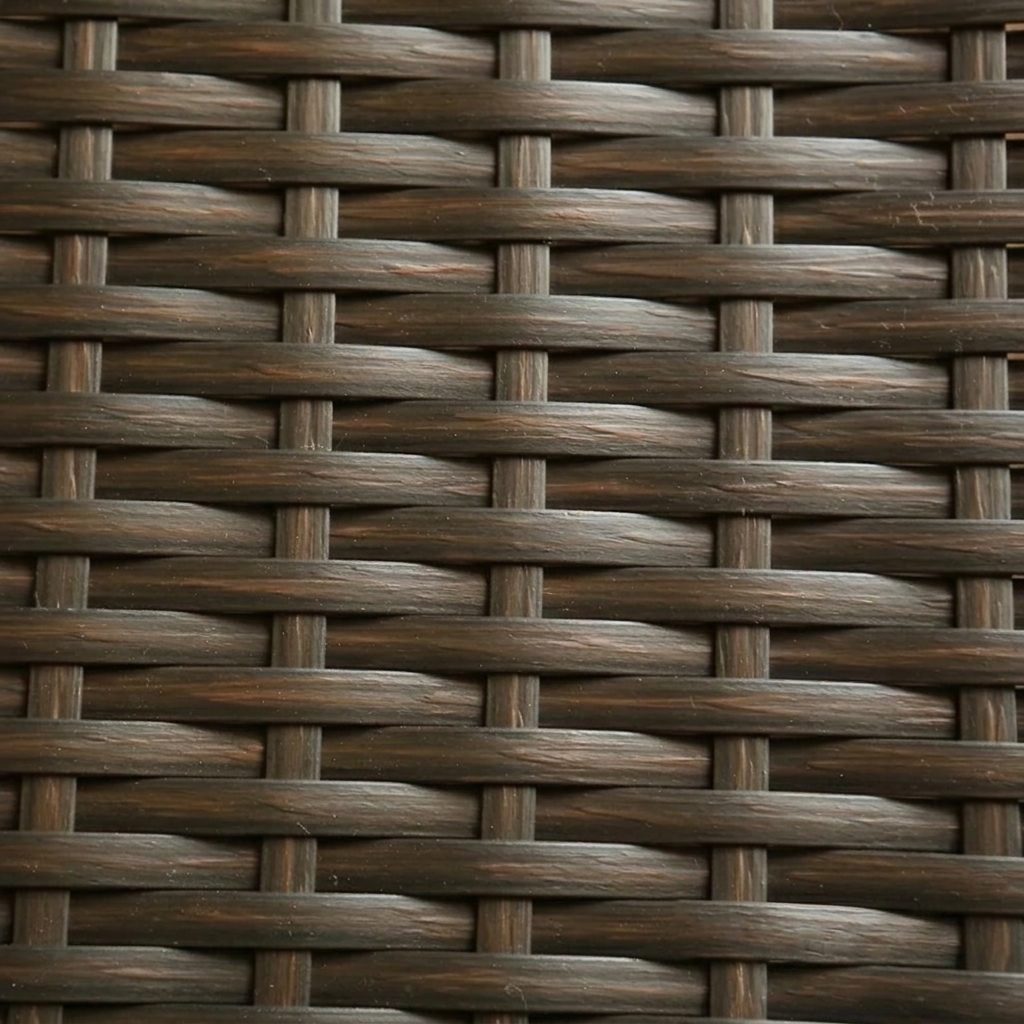
PE rattan, also known as synthetic rattan, PE wicker or all-weather wicker, is a synthetic woven material made primarily from polyethylene (PE). Unlike natural rattan, which is derived from plant-based vines, PE rattan is manufactured through extrusion and surface-texturing processes to create flexible strands designed to replicate the appearance of traditional woven materials.
Depending on the formulation and manufacturing process, PE rattan can be produced in different colors, textures, profiles, widths and strand shapes. This allows manufacturers to create products inspired by natural rattan, wicker and other traditional weaving styles while achieving greater consistency in appearance and dimensions.
One of the key advantages of PE rattan is its suitability for outdoor and high-moisture environments. Compared with many natural plant-based weaving materials, properly formulated PE rattan offers better resistance to moisture and can be engineered with UV stabilizers to improve performance under sunlight.
For applications where weather exposure, consistent appearance, low maintenance and predictable production are important, PE rattan provides a practical alternative to natural rattan and other natural fibers.
Material Characteristics
PE rattan is produced by melting and extruding polyethylene into continuous strands or profiles. These strands can then be shaped and textured to create different visual and structural characteristics.
Depending on the product requirements, PE rattan can be manufactured in different forms, including:
- Flat PE Rattan – suitable for flat-weave patterns and contemporary outdoor furniture.
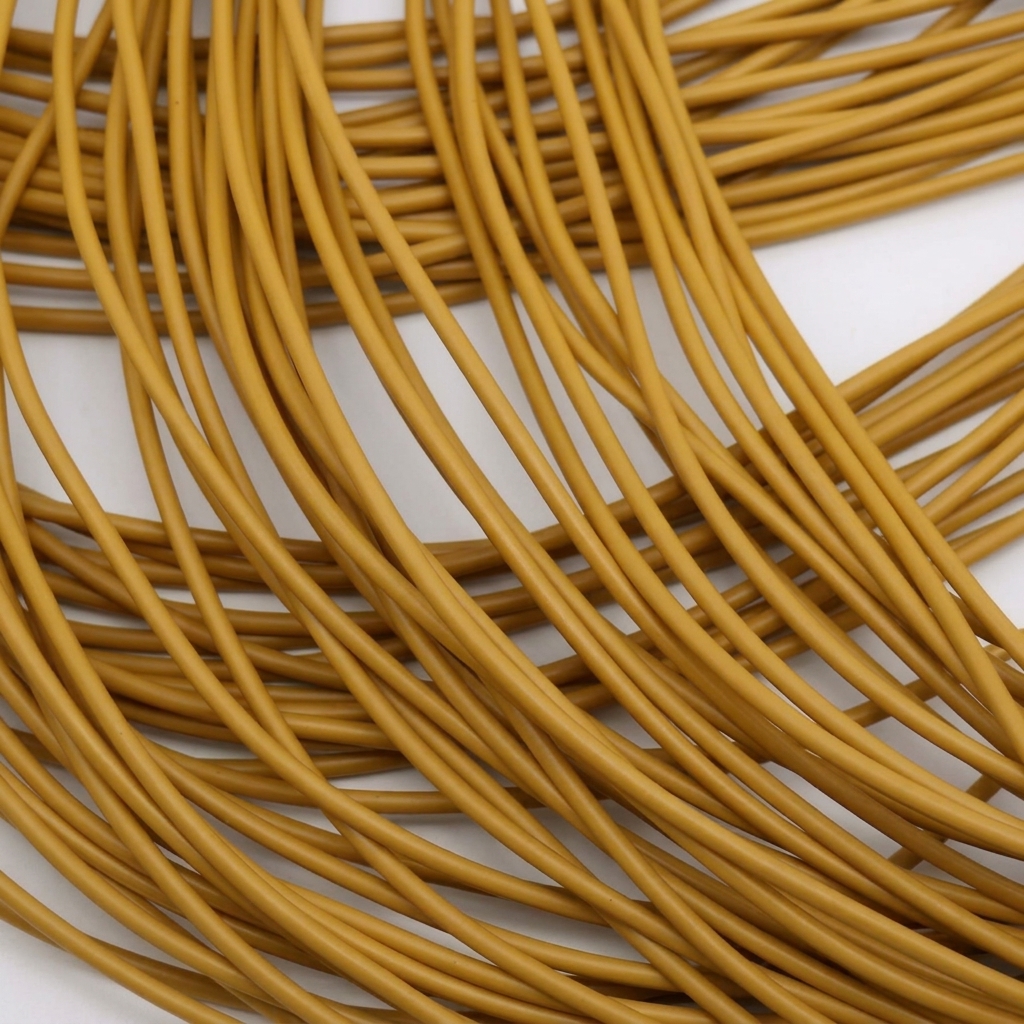
- Round PE Rattan – designed to create a more traditional rattan or wicker appearance.
- Half-Round PE Rattan – combines the appearance of natural weaving with a more structured profile.
- Textured PE Rattan – surface treatments can be used to imitate natural grain and woven textures.
The material can also be customized in terms of color, texture, strand width, thickness, flexibility and surface finish.
Unlike natural rattan, PE rattan is manufactured to relatively consistent specifications. This allows manufacturers to achieve more uniform color, strand dimensions and finished-product appearance across production batches.
The final performance of PE rattan depends on factors such as PE resin quality, formulation, UV stabilization, pigment quality, extrusion process, strand thickness and surface treatment.
Key Advantages
1. Suitable for Outdoor Applications
High-quality PE rattan can provide good resistance to moisture, humidity and changing outdoor conditions. When properly formulated and UV-stabilized, it can be used for outdoor furniture and other products exposed to sunlight and weather.
2. Moisture Resistant
Unlike many natural plant fibers, PE rattan does not readily absorb water. This makes it suitable for outdoor environments, covered patios, balconies and other areas where products may be exposed to humidity or occasional rain.
3. Low Maintenance
PE rattan generally requires less maintenance than natural woven materials. Its synthetic surface can usually be cleaned with water and mild cleaning methods, making it practical for hospitality, outdoor living and commercial applications.
4. Consistent Appearance
Because PE rattan is manufactured rather than harvested as a natural fiber, it can provide relatively consistent color, strand dimensions and surface appearance. This is particularly useful for large-volume projects and coordinated product collections.
5. Flexible Design Options
Manufacturers can produce PE rattan in different colors, profiles, textures and strand shapes. This provides greater flexibility for designers and brands looking to match specific product styles or color palettes.
6. Predictable Cost for Large-Volume Production
For standardized products and larger production runs, the consistent nature of synthetic materials can help improve production efficiency and cost predictability compared with some natural materials that vary by grade and season.
Limitations and Considerations
1. Not a Natural or Biodegradable Material
PE rattan is a petroleum-based synthetic material and is not biodegradable under normal environmental conditions. It therefore does not offer the same plant-based material characteristics as natural rattan, bamboo or other natural fibers.
2. Lower Natural Variation
PE rattan is manufactured for consistency. While this is an advantage for standardized production, it lacks the natural color, grain and texture variations that give real rattan and other plant-based materials their handcrafted character.
3. UV Performance Depends on Material Quality
Not all PE rattan has the same outdoor performance. Lower-quality materials or insufficient UV stabilization may fade, become brittle or deteriorate after prolonged exposure to strong sunlight.
4. Quality Varies Significantly
The performance of PE rattan depends heavily on the quality of the raw material, formulation and extrusion process. Buyers should pay attention to resin quality, UV stabilization, strand thickness, flexibility, color consistency and finished-surface quality.
5. Appearance May Differ from Natural Rattan
Although modern PE rattan can reproduce many traditional woven textures, it may still have a more uniform appearance and feel compared with genuine natural rattan.
Common Applications
PE rattan is widely used in applications where weather resistance, consistency and low maintenance are important, including:
- Outdoor chairs and armchairs
- Outdoor sofas and lounge furniture
- Patio furniture
- Garden furniture
- Balcony furniture
- Outdoor tables and storage
- Planters and plant holders
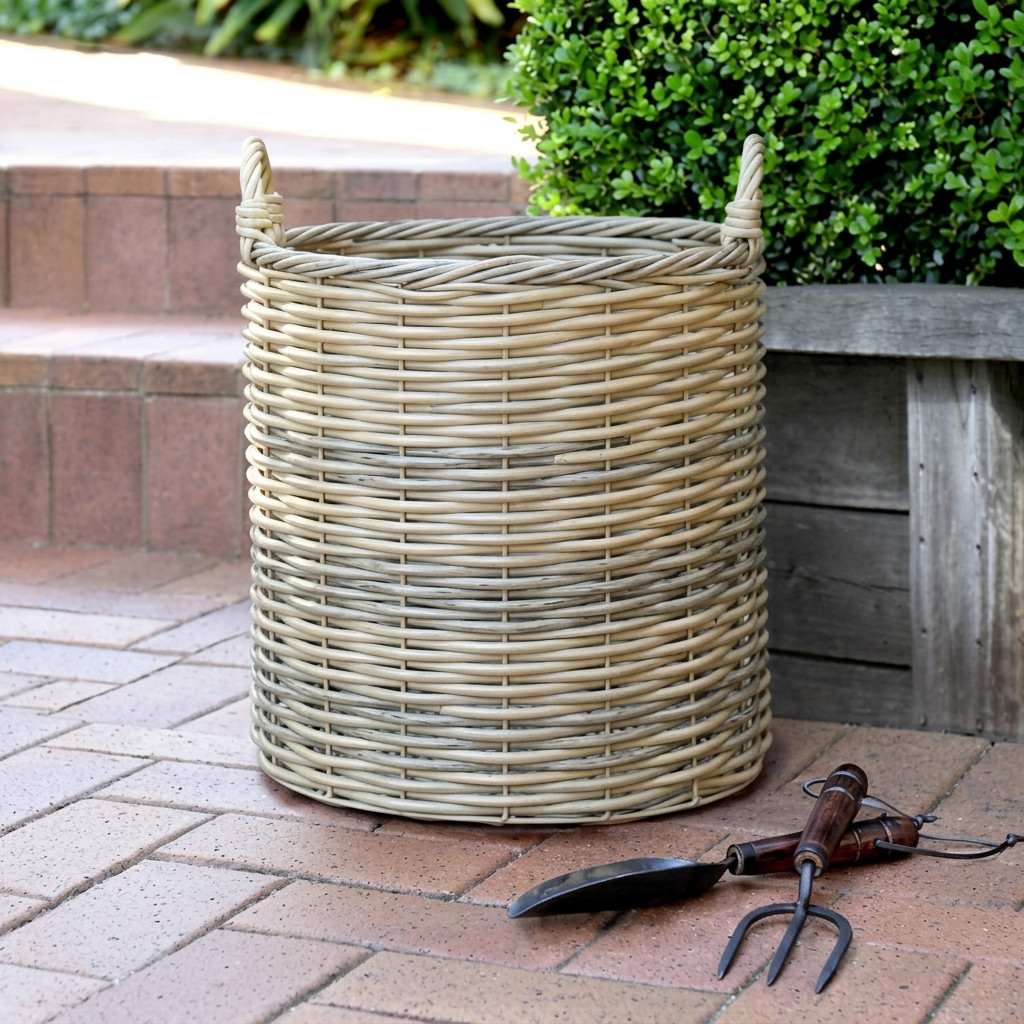
- Outdoor baskets
- Hospitality and resort furniture
- Commercial outdoor seating
- Home storage products
- Custom outdoor woven products
It is particularly suitable for outdoor living and hospitality environments where products need to withstand regular exposure to moisture, sunlight and changing weather conditions.
Key Markets
PE rattan has strong demand in markets with established outdoor furniture, hospitality and lifestyle industries.
Key markets include:
- United States & Canada
- United Kingdom
- Germany, France and other European markets
- Scandinavia and Nordic countries
- Australia & New Zealand
- Middle East
- Other markets with strong outdoor-living demand
The material is particularly relevant to outdoor furniture brands, hospitality groups, garden furniture retailers, contract projects and lifestyle brands that require consistent appearance and reliable outdoor performance.
B2B Sourcing Considerations
For international buyers, PE rattan quality should be evaluated beyond its appearance. Important factors include PE resin quality, UV stabilizer content, pigment quality, strand profile, thickness, flexibility, color consistency and extrusion quality.
For outdoor applications, buyers should also clarify the expected exposure conditions and required performance standards before production. UV resistance, moisture resistance, color stability and dimensional consistency can have a significant impact on product lifespan and customer satisfaction.
For large-volume orders, it is important to approve production samples and establish clear specifications for color, strand dimensions, texture, flexibility and surface finish before mass production.
Choosing the right PE rattan grade and working with experienced manufacturing partners can help balance outdoor performance, appearance, production consistency and overall cost.