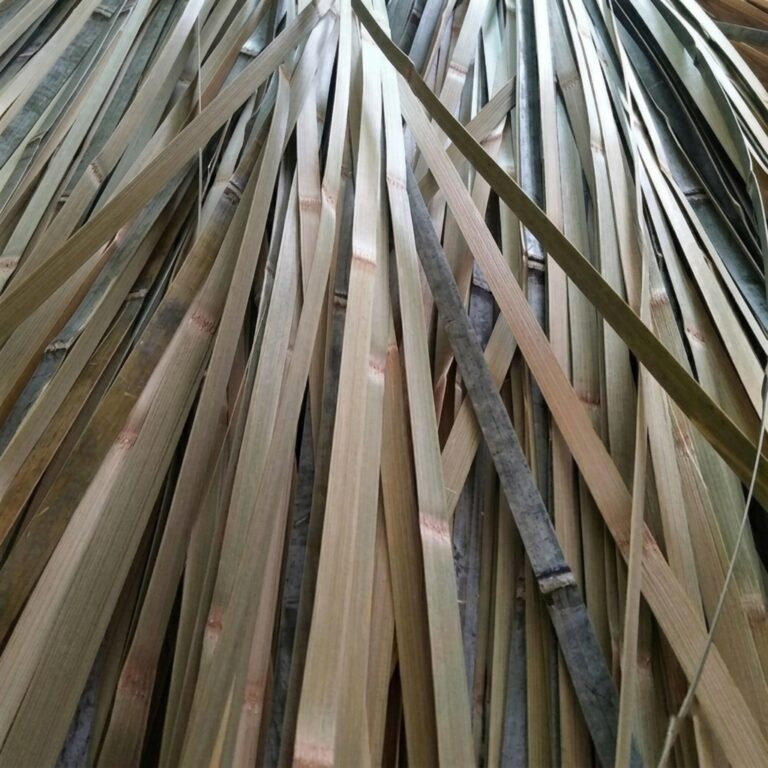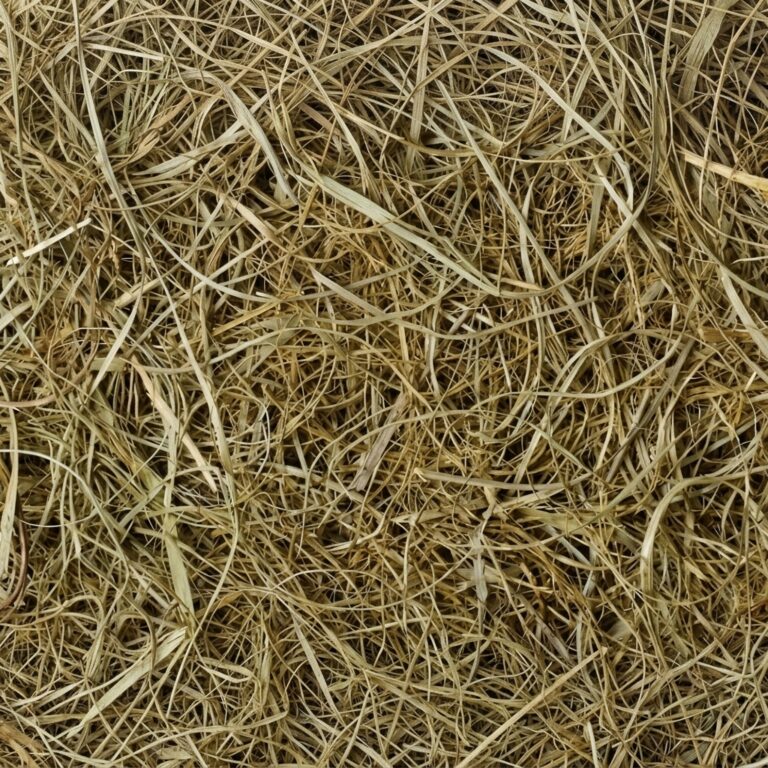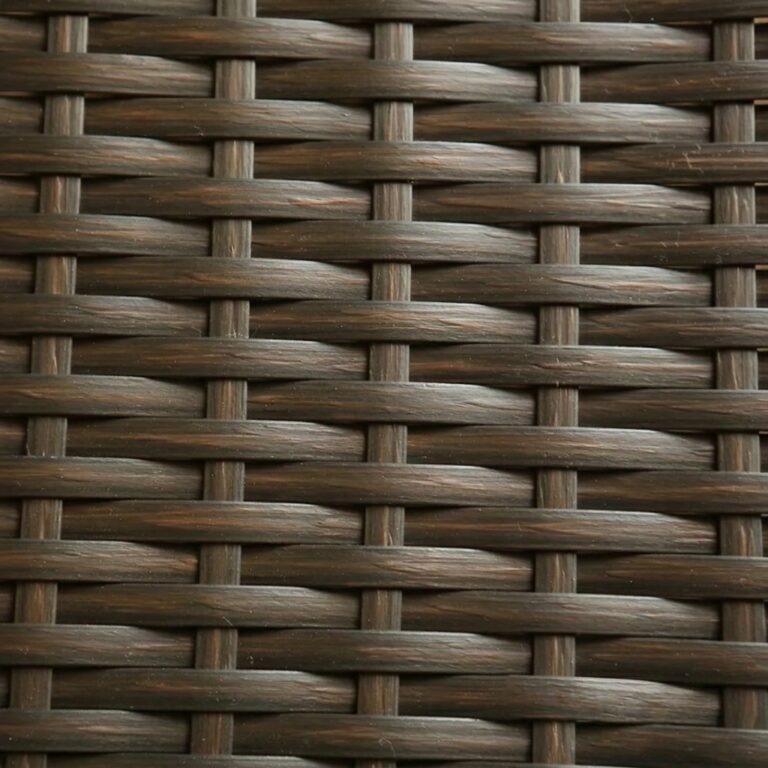
Material Overview
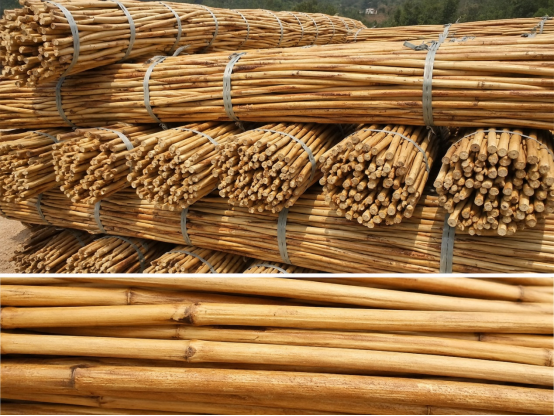
Natural rattan is a renewable plant-based material harvested from climbing palms native to tropical and subtropical regions. Its long, flexible stems can be processed through curing, drying, straightening, splitting and finishing to create different forms of cane, core and skin for weaving, furniture structures and homeware.
One of rattan’s defining advantages is the combination of strength, flexibility and workability. Compared with more rigid materials such as bamboo, rattan can be bent and shaped into curves and complex forms. Compared with softer plant fibers such as seagrass and water hyacinth, rattan generally provides greater structural strength and durability when properly processed and manufactured.
This balance of flexibility and strength makes natural rattan highly versatile. It can be shaped into frames and curved structures, while its outer skin and core can be processed into fine weaving materials. From baskets and trays to chairs, sofas, cabinets, headboards, lighting and other home décor, rattan can support a wide range of handmade and semi-structured applications.
Southeast Asia remains an important part of the global natural rattan supply chain, with countries such as Indonesia, Vietnam and the Philippines playing significant roles in rattan sourcing, processing and manufacturing. Rattan has been used for generations in furniture, baskets and other woven products, and continues to be valued in modern interior and lifestyle design.
Material Characteristics
Natural rattan is naturally long, flexible and resilient, allowing it to be processed into different forms depending on the intended application.
Common forms include:
- Rattan Cane – used for furniture frames, structural components and larger woven products.
- Rattan Core – processed from the inner part of the rattan and commonly used for weaving and basket construction.
- Rattan Skin – the outer layer of the rattan, valued for its fine texture and commonly used for detailed weaving and decorative applications.
Depending on the species, maturity, diameter, grading and processing method, rattan can offer good tensile strength, flexibility and resistance to deformation.
Its natural texture, warm tones and visible grain patterns also give finished products an authentic handcrafted appearance that works well with both traditional and contemporary interior styles.
Key Advantages
1. Strong and Durable
Properly selected, dried and treated rattan can provide good structural strength and long-term durability. This makes it suitable for both functional homeware and furniture applications.
2. Flexible and Highly Workable
Rattan can be bent, shaped, split and woven into a wide range of forms. Its flexibility allows manufacturers and craftsmen to create curved structures and detailed woven patterns that are difficult to achieve with more rigid materials.
3. Natural and Premium Appearance
The natural grain, texture and warm color of rattan create a distinctive handcrafted aesthetic. Its appearance can complement modern, coastal, Scandinavian, rustic and other interior styles.
4. Excellent for Handmade Craftsmanship
Rattan works particularly well with traditional hand-weaving techniques. Skilled craftsmen can combine different rattan forms to create intricate patterns, structural details and customized designs.
5. Renewable Plant-Based Material
Rattan is a fast-growing renewable plant resource. When sourced from responsibly managed supply chains and processed appropriately, it can support more sustainable product development compared with some conventional materials.
Limitations and Considerations
1. Higher Material Cost
Compared with some lower-cost plant fibers or synthetic alternatives, high-quality natural rattan can have a higher material and processing cost, particularly for carefully selected grades and hand-finished products.
2. Requires Proper Drying and Treatment
Rattan needs appropriate drying, moisture control and treatment during processing and storage. Poorly processed material may be more susceptible to cracking, deformation or other quality issues.
3. Quality Can Vary by Grade and Processing
Rattan performance and appearance can vary depending on species, maturity, diameter, grading, harvesting conditions and processing methods. Proper material selection is therefore important for consistent production quality.
4. Limited Outdoor Durability Without Protection
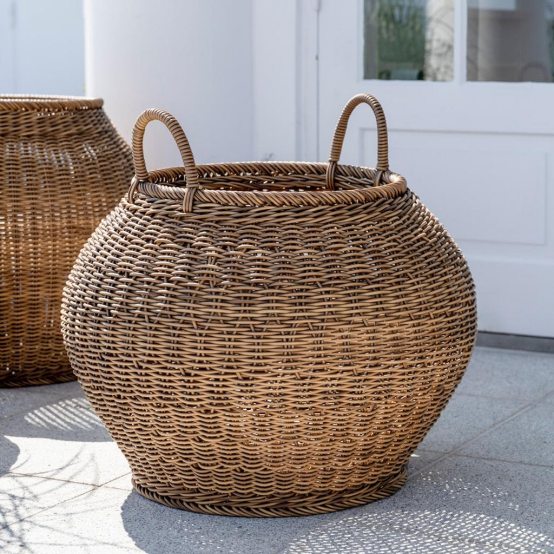
Natural rattan is generally better suited to indoor and covered applications. Prolonged exposure to rain, high humidity, direct sunlight and temperature changes can affect its appearance and service life unless suitable protective treatment and product design are used.
Common Applications
Natural rattan is widely used across homeware, furniture and interior décor, including:
- Bread baskets and bread proving baskets
- Fruit baskets and serving trays
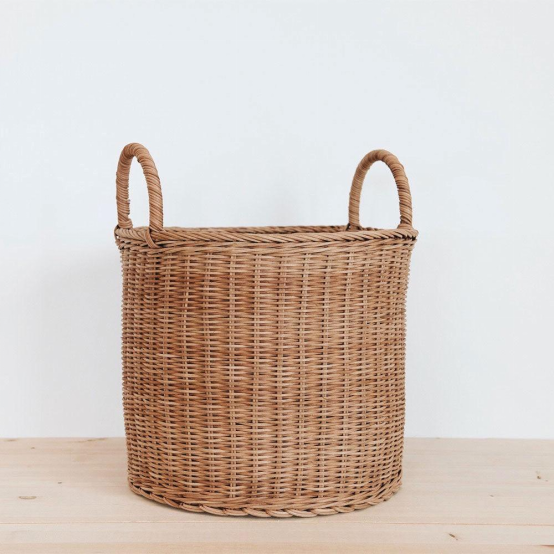
- Storage baskets and organizers
- Laundry baskets
- Plant baskets and plant holders
- Lampshades and pendant lights
- Chairs and armchairs
- Sofas and tables
- Cabinets and shelving
- Headboards and wall décor
- Decorative home accessories
- Custom woven products
Its combination of natural aesthetics, structural performance and craftsmanship makes it suitable for both small woven accessories and larger furniture applications.
Key Markets
Natural rattan products have established demand in markets where natural materials, craftsmanship and sustainable design are highly valued.
Key markets include:
- United States & Canada
- United Kingdom
- Germany & France
- Other European markets
- Australia & New Zealand
- Japan and other developed Asian markets
Rattan is particularly well suited to interior and lifestyle categories where buyers are looking for natural textures, handcrafted details, renewable materials and timeless design.
For international buyers, the quality of the final product depends not only on the rattan itself, but also on material selection, grading, drying, treatment, weaving techniques and production control. Working with experienced manufacturing partners and maintaining quality control throughout the supply chain is essential for achieving consistent results.