Material Overview
Bamboo is one of the world’s most widely recognized renewable natural materials and has been used in Asian craftsmanship for centuries. Its combination of hardness, rigidity, lightweight construction and structural stability makes it distinct from softer woven fibers such as seagrass and water hyacinth, while offering a different set of characteristics from the flexible structure of natural rattan.
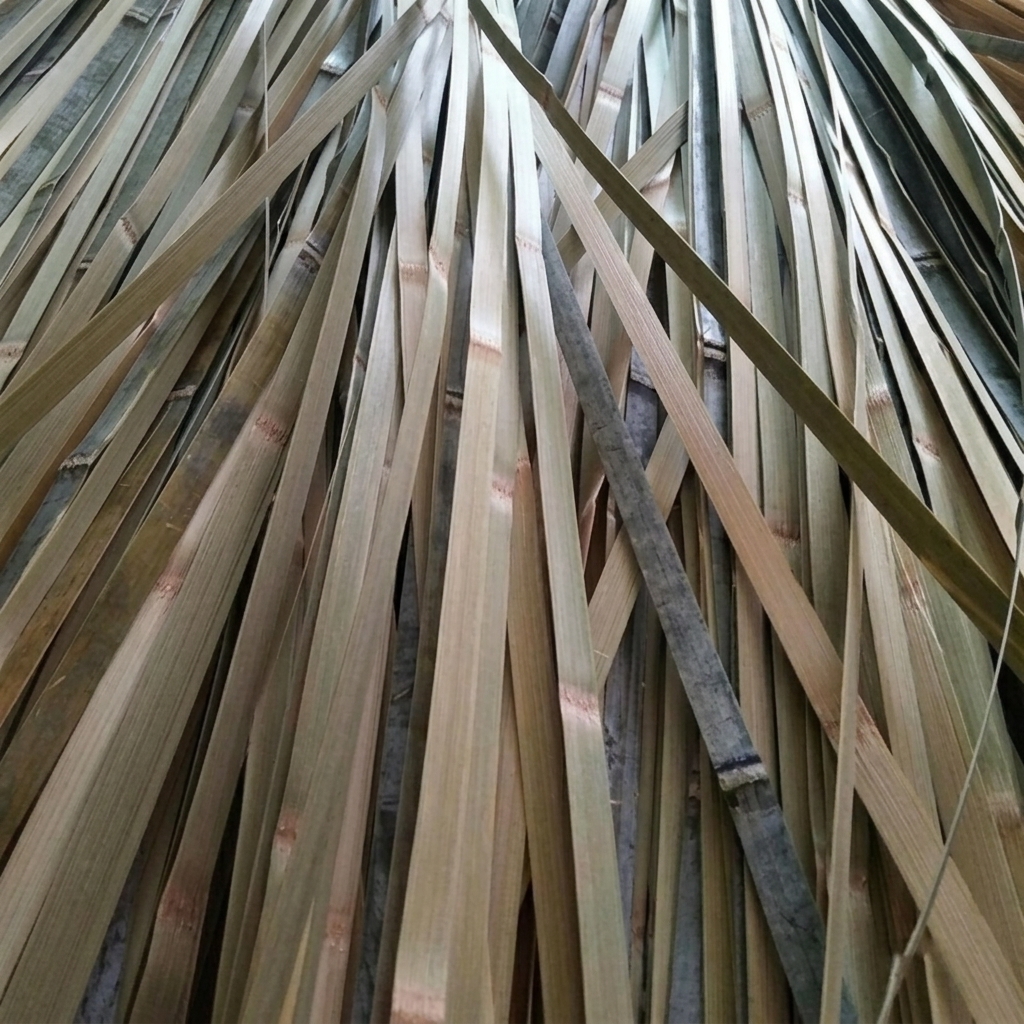
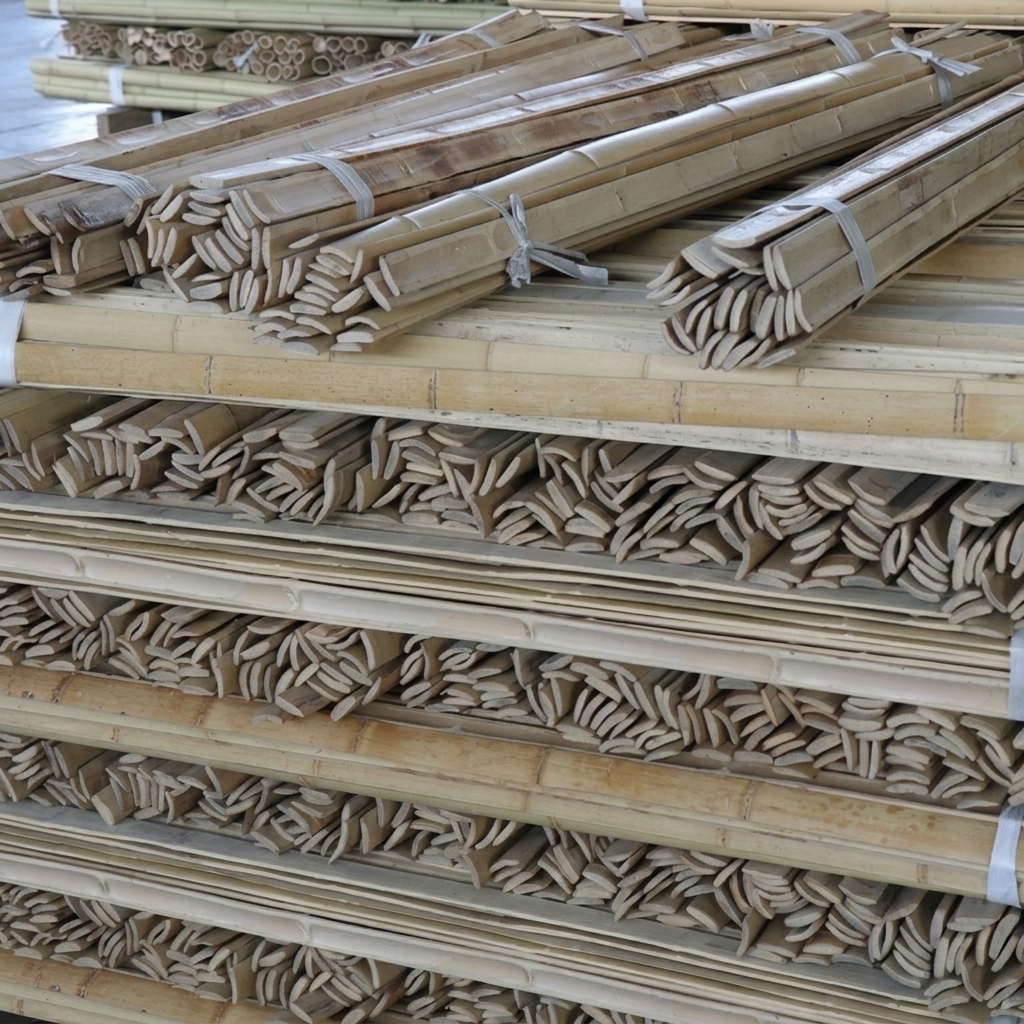
After harvesting, bamboo can be processed through splitting, cutting, drying, smoothing and finishing. Depending on the intended application, it can be prepared into strips, splits, slats and other forms with different widths and thicknesses for weaving, rolling, joining and structural applications.
Because of its versatility, bamboo is no longer limited to traditional baskets and mats. Modern manufacturing techniques allow it to be used across a wide range of homeware and interior products, including storage products, trays, kitchenware, lighting, furniture and decorative accessories.
Another important characteristic of bamboo is its rapid growth. Many bamboo species can regenerate from established root systems after harvesting, allowing bamboo resources to be renewed without replanting the entire plant. When responsibly cultivated, harvested and processed, bamboo can therefore serve as a renewable alternative to many conventional materials.
Material Characteristics
Bamboo is naturally hard, rigid and lightweight. Unlike rattan, which is valued for its flexibility and ability to form curved structures, bamboo is better suited to applications where shape retention, rigidity and structural stability are important.
For woven and handcrafted products, bamboo can be processed into different material forms, including:
- Bamboo Strips – thin strips prepared for weaving, rolling and surface applications.
- Bamboo Splits – narrow pieces split from the bamboo culm and used for baskets, mats and traditional woven products.
- Bamboo Slats – wider and thicker sections used for structural components, frames and functional homeware.
- Bamboo Panels and Boards – processed forms used in furniture, shelving and other larger applications.
The final characteristics of bamboo depend on factors such as species, maturity, diameter, harvesting conditions, drying quality, moisture content, processing method and surface treatment.
Properly selected and processed bamboo can provide a stable and durable material with a natural appearance ranging from light straw and pale yellow to deeper warm tones, depending on the species and treatment.
Key Advantages
1. Strong and Structurally Stable
Bamboo has a naturally hard and rigid structure that provides good stability for functional products and structural components. This makes it suitable for applications where a firmer material is required.
2. Fast-Growing Renewable Resource
Bamboo is a rapidly growing plant resource. Many species can regenerate from their existing root systems after harvesting, making bamboo a renewable material when responsibly cultivated and managed.
3. Versatile Processing Options
Bamboo can be split, cut, shaved, flattened, bent and joined into different forms. This allows manufacturers to create everything from fine woven products to larger structural components.
4. Lightweight Compared with Many Rigid Materials
Despite its hardness and structural properties, bamboo is relatively lightweight. This makes it practical for homeware, furniture and decorative products where weight management is important.
5. Natural and Versatile Appearance
Bamboo offers a clean, warm and recognizable natural appearance. Its simple texture and neutral tones work well with contemporary, Scandinavian, Japanese, minimalist, rustic and natural interior styles.
Limitations and Considerations
1. Less Flexible Than Rattan
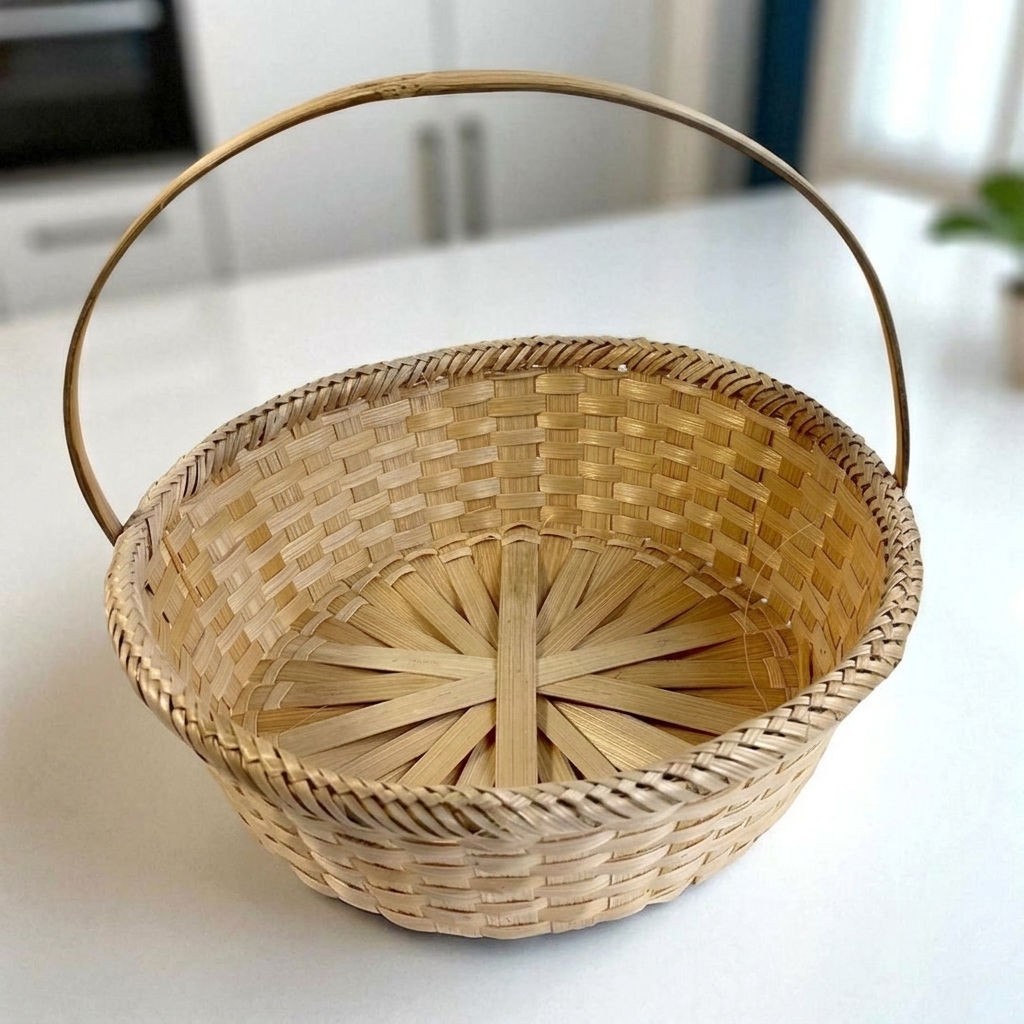
Bamboo is naturally more rigid than rattan and is therefore less suitable for highly curved structures and intricate three-dimensional weaving.
2. More Limited for Complex Weaving
Although bamboo can be split into thin strips for weaving, its rigidity limits the range of complex curves and fine woven structures that can be achieved compared with flexible rattan.
3. Requires Proper Drying and Moisture Control
Bamboo needs appropriate drying and moisture management during processing and storage. Improperly dried material may be more susceptible to cracking, deformation or other quality issues.
4. Requires Appropriate Treatment
Depending on the intended application, bamboo may require suitable treatment against insects, mold and moisture. Surface finishing can also help improve appearance, durability and resistance to environmental conditions.
5. Natural Variations
As a natural material, bamboo can vary in color, grain, diameter and surface appearance. Appropriate grading and processing standards are important when consistent appearance is required for larger production runs.
Common Applications
Bamboo is widely used across homeware, furniture and interior products, including:
- Storage baskets and organizers
- Trays and servingware
- Kitchenware and utensils
- Cutting and serving boards
- Lampshades and lighting
- Furniture and furniture components
- Shelving and storage products
- Decorative home accessories
- Mats and woven products
- Plant holders
- Kitchen and dining accessories
- Custom bamboo products
Its combination of rigidity, lightweight construction and processing versatility makes bamboo suitable for both traditional woven products and modern functional homeware.
Key Markets
Bamboo products have strong demand in markets where natural materials, functional design and sustainable product concepts are valued.
Key markets include:
- United States & Canada
- United Kingdom
- Germany, France and other European markets
- Scandinavia
- Japan and other developed Asian markets
- Australia & New Zealand
Bamboo is particularly compatible with Japanese, Scandinavian, minimalist, contemporary, rustic and natural interior styles, making it suitable for a wide range of modern homeware and lifestyle collections.
B2B Sourcing Considerations
For international buyers, consistent bamboo quality depends on appropriate species selection, maturity, drying and processing. Key considerations include bamboo species, diameter, maturity, moisture content, surface quality, crack control, material grading and treatment requirements.
For woven products, the width, thickness, flexibility and surface finish of bamboo strips should be matched carefully to the product design and weaving technique. For structural products, material strength, joint design and dimensional stability become more important.
For larger orders, establishing clear material specifications and acceptable natural variations before production can help maintain consistency across batches. Proper drying, treatment, production monitoring and quality control are important for achieving reliable finished products.